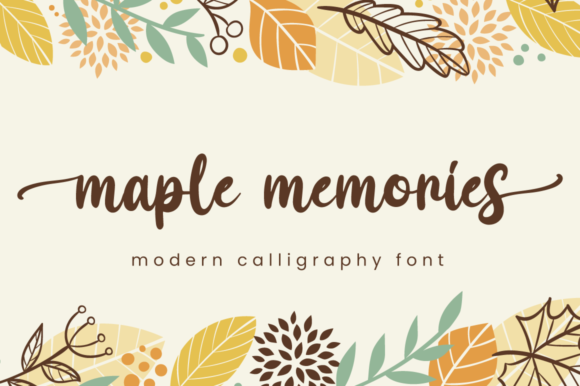
Valentine: A Timeless Handwritten Font for Every Design Project
When it comes to adding a personal and elegant touch to design projects, few fonts can match the charm of Valentine. This handwritten font is not only distinctive but also incredibly delicate, making it a favorite among designers, wedding planners, and creative professionals who value authenticity and style.
Why Valentine Stands Out Among Handwritten Fonts
Valentine is more than just a font—it's a statement. Its unique script blends fluidity with clarity, offering a balance that many other handwritten fonts struggle to achieve. Unlike some fonts that lean too heavily into cursive or overly stylized forms, Valentine maintains a natural flow that feels both modern and classic.
One of the most appealing aspects of Valentine is its versatility. Whether you're designing a wedding invitation, a thank-you card, or a logo, this font adapts seamlessly to different contexts. Its legibility at various sizes ensures that it remains effective whether used in large headings or smaller text blocks.
Applications of Valentine in Modern Design
Valentine has become a go-to choice for a wide range of design applications. In the realm of weddings, it’s often used for invitations, programs, and signage, where its elegance complements the romantic and personal nature of the event. The font adds a sense of warmth and intimacy that printed fonts simply cannot replicate.
Beyond weddings, Valentine is also popular in greeting cards, especially those meant for personal or sentimental messages. Its soft, flowing lines make it ideal for heartfelt notes, while its readability ensures that the message is clear and easy to understand.
For businesses looking to add a human touch to their branding, Valentine offers a refreshing alternative to standard corporate fonts. It works well on business cards, letterheads, and promotional materials, giving a brand a more approachable and authentic feel.
Valentine in Digital and Print Projects
Whether you're working on a digital project or a print piece, Valentine delivers consistent quality. On screens, its curves remain sharp and readable, while in print, it retains its character and detail. This makes it an excellent choice for designers who work across multiple mediums.
When using Valentine in digital formats, consider the file type and licensing. Most fonts are available in TrueType or OpenType formats, which are compatible with most design software. Always ensure that you have the proper license for commercial use, especially if you're planning to distribute designs featuring Valentine.
Choosing the Right Size and Style for Valentine
The effectiveness of Valentine depends largely on how it's used. For instance, when creating a headline or title, a larger size will emphasize its beauty and readability. However, when used in body text, it's important to choose a size that doesn't compromise legibility.
Some versions of Valentine may include alternate characters or ligatures, which can enhance the visual appeal of the text. Experimenting with these features can help you achieve a more refined look, especially in decorative or artistic designs.
Valentine in Different Industries and Lifestyles
Valentine isn't limited to just weddings and personal projects. It has found its way into various industries, including fashion, interior design, and even technology. In fashion, it's used for labels, tags, and branding, where its softness contrasts beautifully with more structured elements.
In interior design, Valentine can be incorporated into signage, wall art, and custom furniture. Its organic feel complements modern and rustic aesthetics alike, making it a versatile choice for any space.
For individuals who enjoy DIY projects, Valentine offers a way to personalize items such as scrapbooks, photo frames, and handmade gifts. Its handwritten appearance gives a project a unique, one-of-a-kind quality that mass-produced fonts can't achieve.
Valentine and User Experience
While Valentine is visually appealing, it's also practical in terms of user experience. When used appropriately, it enhances the overall aesthetic without hindering readability. This makes it suitable for both casual and professional settings.
Designers should also consider the audience when choosing to use Valentine. For example, in formal or corporate environments, it may be better to pair it with a more traditional font to maintain a balanced look. In contrast, for creative or artistic projects, Valentine can stand alone as a bold and expressive choice.
How to Incorporate Valentine Into Your Workflow
Integrating Valentine into your design workflow is straightforward. Most design software, such as Adobe Illustrator, Photoshop, and Canva, support custom fonts, allowing you to easily apply Valentine to your projects. Simply download the font file, install it on your system, and begin using it in your designs.
For those who prefer a more streamlined approach, online tools like Google Fonts or Font Squirrel offer free alternatives. However, it's important to verify that the version you're using is licensed for your intended purpose, especially if you're working on commercial projects.
Additionally, experimenting with different color combinations can help you maximize the impact of Valentine. Soft pastels, deep jewel tones, and metallics all work well, depending on the mood and theme of your design.