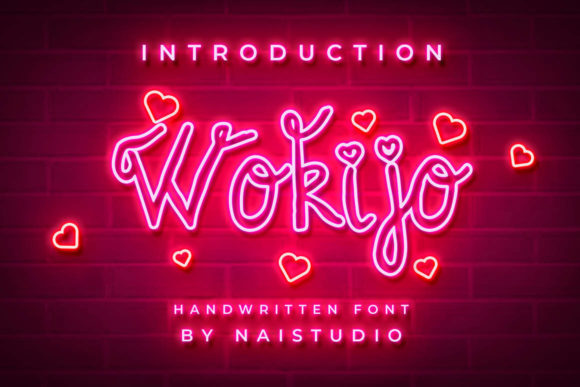
Wokijo: A Stylish and Quirky Handwritten Font for Every Design Project
When it comes to adding a personal touch to design projects, the right font can make all the difference. Wokijo is a stylish and quirky handwritten font that brings a unique flair to any visual communication. Its organic curves and expressive style make it ideal for a wide range of applications, from wedding invitations to business cards. Whether you're a designer, a small business owner, or someone looking to add a creative element to your work, Wokijo offers a versatile solution that stands out.
What Makes Wokijo Unique?
Wokijo is more than just a font—it's a character in itself. Unlike standard typefaces, which often feel rigid and uniform, Wokijo mimics the natural variation of human handwriting. This gives it a warm, authentic feel that can elevate the emotional impact of any text. The font’s irregular shapes and subtle inconsistencies create a sense of personality, making it perfect for designs that aim to feel more personal and less manufactured.
One of the standout features of Wokijo is its ability to convey emotion through typography. The way the letters flow and connect can evoke a sense of nostalgia, creativity, or even playfulness. This makes it particularly effective for projects that rely on storytelling or emotional engagement, such as greeting cards, quotes, or social media graphics.
Applications of Wokijo in Modern Design
Wokijo’s versatility allows it to shine in various design contexts. For instance, wedding invitations often benefit from a touch of elegance and individuality. Using Wokijo for the couple’s names or key details can add a bespoke feel without sacrificing readability. It works especially well when paired with simpler fonts for headings and body text, creating a balanced and visually appealing layout.
Thank you cards and greeting cards are another area where Wokijo excels. These types of designs often require a friendly and heartfelt tone, and Wokijo’s handwritten aesthetic helps achieve that. Whether you’re sending a card for a birthday, anniversary, or just to say “thank you,” the font adds a personal and thoughtful touch that standard fonts might not provide.
For logos and branding materials, Wokijo can be a powerful tool for differentiation. In a market saturated with clean, modern typefaces, a handwritten font like Wokijo can help a brand stand out. It’s particularly effective for businesses that want to communicate a sense of authenticity, craftsmanship, or creativity. However, it’s important to use it strategically—too much text in Wokijo can become difficult to read, so it’s best reserved for headlines or key phrases.
Best Practices for Using Wokijo
While Wokijo is undeniably eye-catching, it’s essential to consider how it will be used in different formats. For digital projects, such as websites or social media posts, ensure that the font is properly embedded or converted into a web-safe format. This prevents issues with display across different devices and browsers.
In print, Wokijo can add a tactile quality that enhances the overall experience. When designing for physical materials like business cards or brochures, test the font at various sizes to ensure it remains legible. While the font’s quirks are part of its charm, they shouldn’t compromise the clarity of the message.
Pairing Wokijo with other fonts can also enhance its effectiveness. For example, combining it with a sans-serif font like Arial or Helvetica can create a contrast that draws attention to key elements. Alternatively, using it alongside a serif font like Times New Roman can give a more traditional yet modern look, depending on the desired aesthetic.
Why Choose Wokijo Over Other Handwritten Fonts?
With so many handwritten fonts available, what sets Wokijo apart? One of the main advantages is its balance between uniqueness and usability. Many handwritten fonts can be too ornate or inconsistent, making them difficult to read in large blocks of text. Wokijo, however, maintains a level of readability that allows it to be used in a variety of contexts without losing its character.
Another factor is its adaptability. Whether you’re working on a minimalist design or something more elaborate, Wokijo can fit seamlessly into the overall concept. Its flexibility makes it a valuable addition to any designer’s toolkit, especially for those who want to add a personal touch without overwhelming the viewer.
Additionally, Wokijo is often praised for its consistency in spacing and structure. While it retains the imperfections of handwriting, it doesn’t sacrifice the alignment and proportion that are crucial for professional design work. This makes it a reliable choice for both personal and commercial projects.
Wokijo in Everyday Life and Creative Projects
Beyond formal design projects, Wokijo can also be a fun and expressive tool for everyday use. For example, it can be used to create custom labels, book covers, or even DIY crafts. Its playful nature makes it ideal for personal projects that reflect an individual’s style or interests.
For educators or content creators, Wokijo can be a great way to add visual interest to presentations, worksheets, or social media posts. It can help break up monotony and keep the audience engaged, especially when used in moderation. However, it’s important to remember that less is often more—overusing the font can dilute its impact and make the design feel cluttered.
Overall, Wokijo is more than just a font; it’s a creative asset that can bring life and personality to any project. Whether you’re designing for a special event, a business, or a personal endeavor, this handwritten font offers a unique way to express yourself and connect with your audience.