Erasmus: A Timeless Handwritten Font for Elegant Design
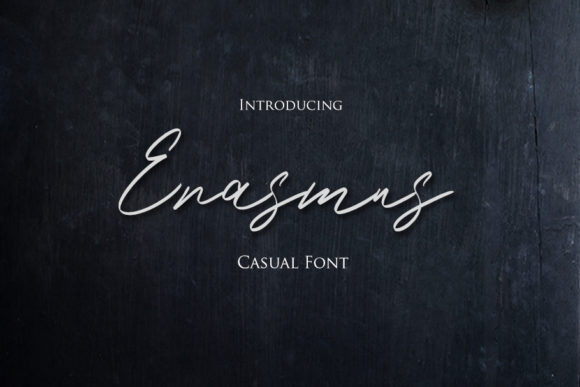
Erasmus is a distinctive handwritten font that offers a refined, flowing aesthetic ideal for a wide range of design applications. Its elegant structure and natural variation make it a popular choice among designers seeking a personal, artisanal touch. From wedding invitations to business cards, Erasmus brings a sense of warmth and sophistication that can elevate any project.
What Makes Erasmus Unique?
Erasmus stands out due to its smooth lines, varying baseline, and beautifully crafted glyphs. Unlike many other fonts that aim for uniformity, Erasmus embraces the irregularities of handwriting, creating a more organic and human feel. This characteristic makes it particularly well-suited for projects that benefit from a personal, handcrafted appearance.
The font includes a variety of alternates, allowing for greater flexibility in design. These alternates enable users to customize the look of their text, ensuring that each instance of Erasmus feels unique rather than repetitive. The result is a font that balances consistency with individuality, making it versatile across different contexts.
Erasmus in Different Design Contexts
When considering where to use Erasmus, it’s important to think about the tone and purpose of the design. For example, in wedding invitations, Erasmus can add a romantic, vintage flair that complements traditional or rustic themes. Its flowing style enhances the elegance of the event while maintaining readability.
In contrast, for business cards or logos, Erasmus may be less appropriate if the goal is to convey professionalism and clarity. However, for brands that aim to communicate creativity, artistry, or a personal touch, Erasmus can serve as an effective visual identity tool. It works best when paired with simpler, more structured elements to prevent visual clutter.
Comparing Erasmus to Other Handwritten Fonts
Handwritten fonts come in many forms, each with its own strengths and limitations. Some fonts prioritize legibility over style, while others emphasize artistic expression at the cost of readability. Erasmus falls somewhere in the middle, offering a balance between aesthetic appeal and usability.
Compared to fonts like Brush Script or Lobster, which have more pronounced, bold strokes, Erasmus has a subtler presence. It lacks the dramatic flair of some alternatives but compensates with a more refined and nuanced appearance. This makes it a better fit for designs that require a softer, more understated look.
On the other hand, Erasmus may not be the best choice for large-scale typography, such as headlines in printed materials. Its smaller size and delicate details can become difficult to read when scaled up. In such cases, a more robust font might be more suitable.
Strengths and Limitations of Erasmus
One of the main strengths of Erasmus is its ability to add a personal, handwritten feel without appearing unprofessional. This makes it ideal for projects that aim to create an emotional connection with the audience. Whether it's a thank-you card, a quote, or a logo, Erasmus can help convey sincerity and authenticity.
However, its elegance comes with some tradeoffs. The font’s variability means that it may not always align perfectly with other design elements. This can be a challenge when working on layouts that require strict alignment or grid-based design principles. Additionally, because of its intricate details, Erasmus may not render as clearly on low-resolution screens or in certain print formats.
When Erasmus Is the Right Choice
Erasmus is most effective in situations where the design benefits from a human touch. For instance, in greeting cards or personalized messages, it can enhance the sentiment of the message by adding a sense of care and thoughtfulness. Its fluidity also makes it well-suited for quotes or inspirational text, where the visual rhythm can complement the meaning of the words.
For businesses or individuals looking to establish a unique brand identity, Erasmus can be a powerful tool. It allows for a distinct visual signature that sets a brand apart from more conventional typefaces. However, it’s important to consider how the font will be used across different platforms and materials to ensure consistency and clarity.
When to Consider Alternatives
There are scenarios where other fonts may be more appropriate. For example, in digital interfaces or technical documents, a clean, sans-serif font might be preferable for its readability and modern appearance. Similarly, in high-impact advertising or signage, a bold, geometric typeface could be more effective in capturing attention.
Designers should also consider the target audience when choosing a font. While Erasmus appeals to those who value aesthetics and craftsmanship, it may not resonate with audiences that prioritize speed, efficiency, or simplicity. In such cases, a more straightforward font might be a better fit.
Practical Tips for Using Erasmus
To get the most out of Erasmus, start by experimenting with different sizes and weights. Smaller text may require adjustments to spacing or line height to maintain readability. When using alternates, choose variations that enhance the flow of the text rather than complicate it.
Pairing Erasmus with complementary fonts can also improve its effectiveness. A simple, clean sans-serif can provide contrast and balance, preventing the design from becoming too ornate. Additionally, testing the font in different contexts—such as on paper, screens, or in various lighting conditions—can help identify any potential issues before finalizing a design.
Conclusion: Erasmus as a Thoughtful Design Choice
Erasmus is a font that combines elegance with practicality, offering a unique way to add a handwritten touch to any design. Its versatility makes it suitable for a wide range of applications, from formal events to creative branding. However, like any design tool, it has its limitations and is best suited for specific use cases.
By understanding its strengths and considering the context in which it will be used, designers can make informed decisions about whether Erasmus is the right choice for their project. Whether it’s to evoke emotion, add character, or create a memorable visual identity, Erasmus can be a valuable asset in the right hands.