Addison Brother: A Timeless Choice for Elegant Handwritten Design
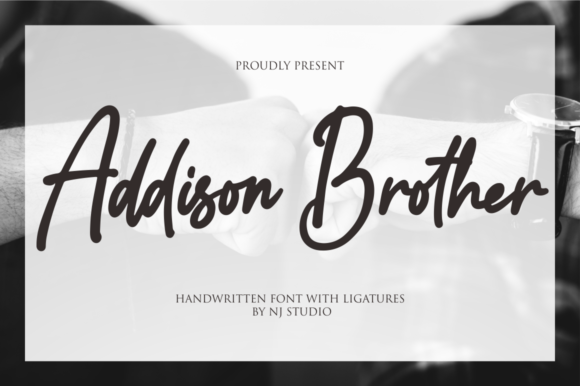
Addison Brother is a font that blends the warmth of handwriting with the precision of digital typography. It captures the essence of a personal touch, making it ideal for a wide range of design applications. From wedding invitations to business cards, this font adds a refined and authentic feel that resonates with many designers and clients alike.
What sets Addison Brother apart is its balance between charm and clarity. Unlike some handwritten fonts that can be difficult to read in larger sizes or at a distance, Addison Brother maintains legibility without sacrificing its elegant character. This makes it particularly useful in scenarios where readability is important, such as in signage, logos, or printed materials that need to convey information effectively.
Understanding the Unique Qualities of Addison Brother
Addison Brother is often described as having a soft, flowing style that mimics natural handwriting. Its curves are gentle, and its letterforms are consistent enough to feel professional while still retaining a personal, handcrafted quality. This combination makes it suitable for both formal and casual designs, depending on how it's used.
The font’s versatility comes from its ability to adapt to different contexts. For instance, when used in a wedding invitation, it can evoke a sense of tradition and intimacy. When applied to a logo, it can suggest creativity and approachability. Its flexibility allows it to fit into various design ecosystems, whether paired with modern sans-serif fonts or traditional serif styles.
Another key feature of Addison Brother is its emotional impact. Handwritten fonts often carry a sense of authenticity and individuality, which can be powerful in branding and communication. Addison Brother enhances this effect by maintaining a level of refinement that avoids appearing too informal or unpolished.
Comparing Addison Brother with Similar Fonts
When evaluating fonts like Addison Brother, it’s helpful to consider alternatives that offer similar characteristics. Many handwritten fonts aim to replicate the look of real penmanship, but not all achieve the same balance of elegance and readability. Some may lean too heavily toward a casual, scribbled appearance, while others may appear overly structured and lose the organic feel that makes handwritten fonts appealing.
For example, fonts such as Brush Script or Lobster have a more pronounced, expressive style that can be striking but may not work well in every context. These fonts often require careful use to avoid overwhelming the design. In contrast, Addison Brother offers a more restrained yet equally charming alternative that can be used in a broader range of applications.
Fonts with a more mechanical or blocky style, such as those resembling typewritten text, may provide greater clarity but lack the warmth and personality that Addison Brother brings. The choice between these options often depends on the desired tone and message of the design. If a project requires a sense of intimacy or a handmade aesthetic, Addison Brother can be an excellent fit.
Best Use Cases for Addison Brother
Addison Brother excels in situations where a personal, elegant touch is needed. One of the most common applications is in wedding stationery, where it helps create a sense of tradition and romance. Its soft curves and flowing lines complement the emotional significance of such events, making it a popular choice among couples looking for a unique and meaningful design.
Beyond weddings, the font is also well-suited for thank you cards, quotes, and greeting cards. These formats benefit from the font’s ability to convey sincerity and thoughtfulness. When used in a quote, for instance, it can add visual interest without distracting from the message itself.
In the realm of branding, Addison Brother can be effective for businesses that want to communicate creativity, craftsmanship, or a personal connection with their audience. It works particularly well for small businesses, artisanal brands, or service-oriented companies that value a humanized image. However, it may not be the best choice for industries that require a more corporate or technical look.
Tradeoffs and Limitations of Addison Brother
While Addison Brother has many strengths, it’s important to recognize its limitations. One potential drawback is its suitability for large-scale printing or digital displays. In some cases, the font’s delicate details may not translate well to low-resolution screens or print outputs, leading to a loss of clarity. This is especially true when using smaller font sizes or in environments with limited contrast.
Additionally, the font may not be ideal for projects that require a high degree of formality or professionalism. While it offers a refined appearance, it can sometimes feel less authoritative than more traditional serif or sans-serif fonts. Designers should consider the tone and purpose of their work before deciding to use Addison Brother.
Another consideration is the availability of the font. Depending on the platform or software being used, access to Addison Brother may be limited. It’s important to verify compatibility and licensing terms before incorporating it into a project, especially if the design will be shared widely or used commercially.
When to Choose Addison Brother vs. Alternatives
Deciding when to use Addison Brother versus other fonts often comes down to the specific needs of the project. If the goal is to create a warm, personal feel, then Addison Brother is a strong candidate. It’s particularly useful when the design benefits from a subtle, handwritten aesthetic that feels genuine rather than artificial.
However, there are situations where other fonts may be more appropriate. For example, if a design requires a clean, modern look, a sans-serif font might be a better choice. Similarly, if the primary focus is on readability over style, a more straightforward typeface could be preferable. The decision should always align with the overall vision and goals of the project.
Designers who are unsure about which font to use can experiment with different options to see which one best complements their work. Testing the font in various contexts—such as on a website, in a print layout, or alongside other design elements—can help determine whether Addison Brother is the right fit.
Conclusion: Finding the Right Fit for Your Design Needs
Addison Brother offers a compelling blend of charm and clarity that makes it suitable for a wide range of design applications. Its elegant, handwritten style can enhance the visual appeal of invitations, logos, and other printed materials, provided it is used appropriately. However, it’s not a one-size-fits-all solution, and its effectiveness depends on the specific requirements of the project.
By understanding the strengths and limitations of Addison Brother, designers can make informed decisions about when and how to use it. Whether it’s the perfect choice for a wedding invitation or a less suitable option for a corporate brochure, the key is to match the font’s character with the intended purpose and audience. With careful consideration, Addison Brother can be a valuable tool in any designer’s toolkit.