Mulla: A Timeless Handwritten Font for Elegant Design
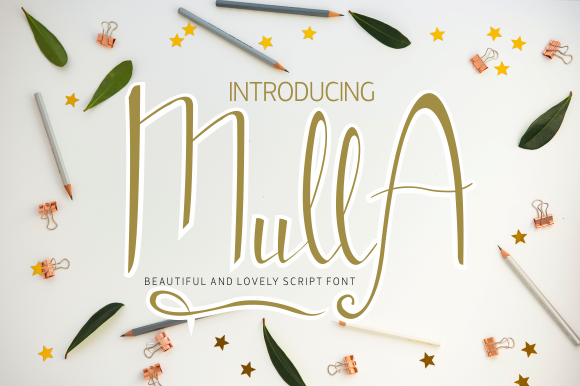
The Mulla font is a unique and elegant handwritten typeface that has gained popularity for its delicate, natural appearance. It is ideal for projects that require a personal touch, such as wedding invitations, thank you cards, quotes, greeting cards, logos, and business cards. Its soft curves and fluid strokes give it a warm, human feel that stands out from more rigid digital fonts.
What makes Mulla distinct is its balance between readability and artistic expression. Unlike many other handwritten fonts that can be overly stylized or difficult to read, Mulla maintains clarity while still conveying a sense of craftsmanship. This makes it a versatile choice for both formal and casual designs.
How Mulla Stands Out Among Handwritten Fonts
When considering handwritten fonts, designers often look for a style that feels authentic yet professional. Mulla achieves this by mimicking the natural flow of handwriting without appearing too rough or inconsistent. Compared to other similar fonts, Mulla offers a refined aesthetic that can elevate the visual appeal of any design project.
Some handwritten fonts may lean too heavily into a cursive style, making them less suitable for body text. Mulla, however, strikes a balance that allows it to work well in both headings and short paragraphs. This flexibility makes it a practical option for a wide range of applications.
Another key feature of Mulla is its adaptability across different mediums. Whether used in print or digital formats, it retains its character and legibility. This consistency is important for designers who want their work to look cohesive across multiple platforms.
Comparing Mulla with Other Handwritten Styles
Handwritten fonts come in various styles, from bold and expressive to subtle and minimalist. Mulla falls into the latter category, offering a gentle and sophisticated look. For instance, compared to more dramatic fonts like Brush Script or Lobster, Mulla provides a more restrained and elegant alternative.
While some fonts emphasize flair and movement, Mulla focuses on subtlety and refinement. This makes it particularly well-suited for designs that aim to convey grace and simplicity rather than energy or excitement. In contrast, fonts with more exaggerated strokes might be better suited for creative or attention-grabbing projects.
It’s also worth noting that Mulla doesn’t have the same level of complexity as some other handwritten fonts. This means it may not offer the same level of uniqueness or artistic depth for those looking for highly distinctive typography. However, its understated charm can be an advantage in situations where clarity and elegance are priorities.
Best Use Cases for Mulla
Mulla excels in scenarios where a personal, handwritten feel is desired but without sacrificing professionalism. Wedding invitations are one of the most common uses for this font, as it adds a touch of warmth and sophistication to formal events. Its clean lines make it easy to read, even when used in larger sizes.
Thank you cards and greeting cards also benefit from Mulla’s gentle appearance. These types of designs often rely on a sense of sincerity and thoughtfulness, which Mulla can help convey through its natural, organic look. It works well for both traditional and modern card designs, depending on how it’s paired with other elements.
In branding, Mulla can be used for logos or taglines that aim to communicate authenticity and creativity. It’s particularly effective for businesses in industries such as fashion, art, or wellness, where a human touch is valued. However, it may not be the best choice for high-energy or tech-focused brands that require a more dynamic visual identity.
Limitations and Tradeoffs
Despite its strengths, Mulla may not be the best fit for every design project. Its subtle nature can sometimes make it less impactful in large-scale applications, such as billboards or signage, where boldness and visibility are crucial. In these cases, a more aggressive or structured font might be more appropriate.
Additionally, because Mulla is a relatively simple font, it may not stand out as much in competitive design environments. If a designer is looking for a font that commands attention or conveys a strong personality, they may need to explore other options. However, this also means that Mulla can blend well with other design elements without overpowering them.
Another consideration is the availability of Mulla in different weights and styles. While it may be available in basic forms, users should check if additional variations—such as bold or italic versions—are accessible. These variations can expand the font’s usability in different contexts.
When to Choose Mulla and When to Consider Alternatives
Mulla is an excellent choice when the goal is to create a design that feels personal and elegant. It’s particularly well-suited for projects that prioritize a handmade or artisanal aesthetic. For example, a small boutique or a custom stationery brand might find Mulla to be a perfect fit for their visual identity.
However, if a project requires a more striking or unconventional look, other fonts may be more appropriate. For instance, a modern tech startup might prefer a sleek, geometric typeface, while a luxury fashion brand could opt for a more ornate script. The decision ultimately depends on the tone and message the designer wants to convey.
Readers should also consider the context in which the font will be used. If the design is going to be viewed on a screen, Mulla’s clarity at smaller sizes is an advantage. But for print projects, especially those with limited space, the font’s thin strokes may need to be adjusted for optimal readability.
Conclusion: Mulla as a Thoughtful Design Choice
Mulla is a versatile and elegant handwritten font that offers a balanced approach to typography. Its natural, flowing style makes it ideal for projects that require a personal touch without compromising on professionalism. While it may not be the best option for every situation, it is a strong contender for designers seeking a refined and timeless look.
By understanding its strengths and limitations, readers can make informed decisions about whether Mulla is the right choice for their specific needs. Whether used in weddings, branding, or everyday communication, Mulla can add a subtle yet meaningful element to any design.