Amertha: A Handwritten Font for Elegant Design
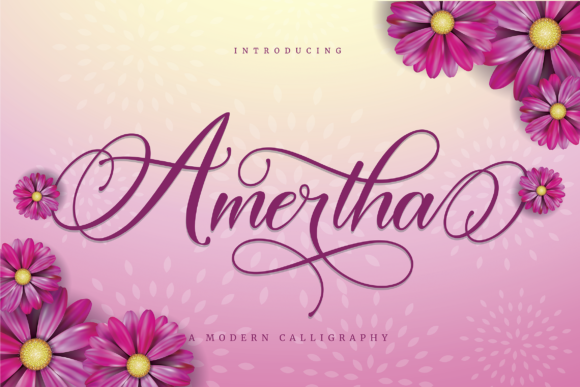
When it comes to adding a personal and artistic touch to design projects, the Amertha font stands out as a versatile and elegant choice. This handwritten font is perfect for a wide range of applications, from wedding invitations to business cards, offering a natural and flowing style that feels both refined and approachable.
Amertha is particularly well-suited for projects that require a sense of warmth and individuality. Its smooth lines and varying baseline give it a dynamic feel, making it ideal for creative expressions where a more formal typeface might feel too rigid. Whether you're designing a quote, a greeting card, or a logo, Amertha can help elevate your work with its unique character.
Key Features of Amertha
One of the standout features of Amertha is its PUA encoding. This means that users can easily access all the glyphs and swashes without needing special software or additional steps. The font includes a variety of alternates and decorative elements, allowing designers to customize their work with ease.
The font’s design is characterized by its gorgeous glyphs and stunning alternates. These elements add depth and variation to any text, making it possible to create visually interesting compositions without repeating the same shapes. The varying baseline also contributes to a more organic look, which can be especially appealing in contexts like wedding invitations or thank you cards.
Another advantage of Amertha is its adaptability across different design formats. Whether you’re working on digital or print media, the font maintains its clarity and aesthetic appeal. Its readability is enhanced by the smooth flow of each letter, ensuring that even long passages of text remain legible and engaging.
Applications of Amertha in Design Projects
Amertha is widely used in the wedding industry, where its elegant and flowing style complements the romantic and personal nature of such events. Wedding invitations, programs, and signage often benefit from the font’s ability to convey a sense of authenticity and charm. It can also be used in thank you cards, giving recipients a more personalized and heartfelt message.
In addition to weddings, Amertha is a popular choice for greeting cards, especially those intended for birthdays, anniversaries, or special occasions. The font’s handwriting-like appearance adds a personal touch that can make a card feel more meaningful and sincere. It works well for both casual and formal designs, depending on how it’s styled and paired with other elements.
Business cards are another area where Amertha shines. While many professional designs rely on clean and structured fonts, using Amertha can offer a refreshing alternative that still maintains a level of sophistication. It’s particularly effective when paired with minimalist layouts or subtle background textures, allowing the font to stand out while remaining professional.
Logos and branding materials can also benefit from the use of Amertha. Its unique style can help a brand stand out in a crowded market, especially if the goal is to convey creativity, artistry, or a personal touch. However, it’s important to consider the context and audience when using the font in this way, as some industries may prefer more traditional typefaces.
Practical Benefits and Considerations
For designers looking to enhance their workflow, Amertha offers several practical benefits. Its PUA encoding ensures that all the glyphs and swashes are accessible without complications, saving time and effort during the design process. This makes it an efficient choice for projects that require frequent adjustments or customizations.
Another consideration is the font’s versatility. Because of its flowing and adaptable nature, Amertha can be used in a variety of design styles, from modern and minimal to vintage and ornate. This flexibility allows it to fit into different creative visions without requiring significant modifications or additional resources.
When choosing a font like Amertha, it’s also important to think about the intended audience. For example, a more casual or informal setting may benefit from the font’s relaxed appearance, while a more formal or corporate environment might require a balance between style and professionalism. Testing the font in different contexts can help determine its effectiveness and suitability.
Designers should also consider how Amertha interacts with other elements in a composition. Pairing it with complementary fonts or design elements can enhance its impact and ensure that the overall layout remains cohesive and visually appealing. Experimentation and attention to detail can go a long way in maximizing the font’s potential.
Why Amertha Is a Top Choice for Creative Projects
Amertha has become a favorite among designers for its ability to blend elegance with accessibility. Its flowing style and varied glyphs make it ideal for projects that require a personal and artistic touch, while its PUA encoding ensures that it’s easy to use and customize. This combination of aesthetics and functionality makes it a valuable tool in a designer’s toolkit.
Whether you’re working on a wedding invitation, a logo, or a greeting card, Amertha offers a way to add a unique and expressive element to your design. Its ability to adapt to different formats and styles makes it a reliable choice for a wide range of creative needs. By incorporating Amertha into your projects, you can bring a sense of warmth, creativity, and individuality to your work.