Armstrong Collins: A Delicate Handwritten Font for Elegant Designs
When it comes to typography, the right font can make a significant difference in the overall aesthetic and message of a design. Armstrong Collins is a flowing and delicate handwritten font that has gained popularity for its elegance and versatility. This article explores what Armstrong Collins is, why it might be a good choice for certain projects, and how it compares to other fonts in terms of suitability and effectiveness.
What Is Armstrong Collins?
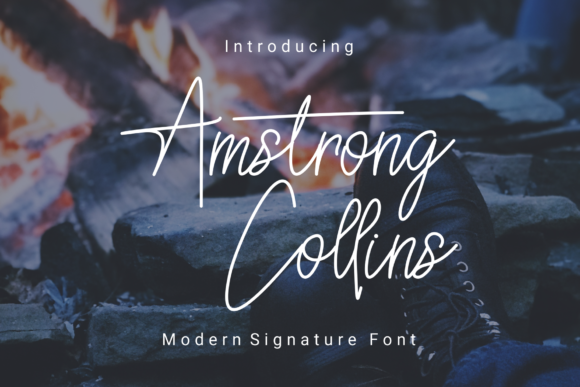
Armstrong Collins is a handwritten font characterized by its smooth, fluid strokes and refined appearance. It mimics the look of natural handwriting, making it ideal for designs that require a personal or artistic touch. The font’s structure is both readable and visually appealing, allowing it to stand out without sacrificing legibility. Its name suggests a connection to traditional calligraphy or hand-drawn lettering, which contributes to its charm and appeal.
The font is particularly well-suited for applications where a sense of authenticity and craftsmanship is desired. Its soft curves and gentle lines give it a warm and inviting feel, making it a popular choice for creative and expressive projects.
Reasons to Consider Armstrong Collins
There are several reasons why someone might choose Armstrong Collins for their design work. One of the primary advantages is its ability to add a unique and personal touch to any project. Whether it's a wedding invitation, a thank-you card, or a logo, the font can help convey a sense of thoughtfulness and care.
Another reason to consider Armstrong Collins is its versatility. It works well in a variety of contexts, from formal to casual, and can be used in both digital and print formats. Its readability at different sizes makes it suitable for everything from large headlines to small text elements.
For designers looking to create a cohesive and elegant visual identity, Armstrong Collins can serve as a strong foundation. Its consistent style helps maintain a unified look across multiple design elements, reinforcing brand recognition and aesthetic harmony.
Benefits and Tradeoffs
One of the key benefits of using Armstrong Collins is its ability to evoke emotion and personality. The font’s handwritten nature can make a design feel more authentic and heartfelt, which is especially valuable in industries such as weddings, art, and personal branding.
However, there are also tradeoffs to consider. While Armstrong Collins is visually appealing, it may not be the best choice for all types of content. In situations where clarity and precision are paramount, such as technical documents or data-heavy presentations, a more structured and uniform font might be more appropriate.
Additionally, because of its distinctive style, Armstrong Collins may not be as widely recognized as some more standard fonts. This could affect how it is perceived in certain professional or corporate settings where a more conventional appearance is preferred.
Situations Where Armstrong Collins Excels
Armstrong Collins is particularly well-suited for projects that benefit from a personal or artistic flair. For example, in the realm of event design, it can be used to create invitations, programs, and signage that reflect the theme and tone of the occasion. Its elegance makes it a popular choice for weddings, where the visual details often play a significant role in the overall experience.
It is also effective for branding and marketing materials that aim to convey a sense of warmth and approachability. Businesses that want to establish a friendly and creative image may find that Armstrong Collins helps reinforce this perception through its visual style.
In addition, the font can be used in editorial design, such as book covers, magazine layouts, and social media graphics. Its flowing lines and organic shape can add visual interest and dynamism to these types of projects.
When Alternatives Might Be Better
While Armstrong Collins is a compelling option, there are situations where other fonts may be more suitable. For instance, if a project requires a more modern or minimalist look, a sans-serif font might be a better fit. These fonts often provide a clean and uncluttered appearance that can be more versatile in a range of design contexts.
Similarly, in cases where high readability is essential—such as in signage, user interfaces, or long-form text—more legible typefaces may be preferable. These fonts are designed to be easily read at various sizes and distances, ensuring that the message is clear and accessible to all audiences.
Designers should also consider the target audience when selecting a font. If the intended recipients are more traditional or formal, a more conventional font might be more appropriate than a highly stylized one like Armstrong Collins.
Practical Decision-Making Insights
When deciding whether to use Armstrong Collins, it’s important to evaluate the specific needs of the project. Ask yourself questions such as: What is the purpose of the design? Who is the target audience? What tone and mood should the design convey?
Testing the font in different contexts can also be helpful. Experiment with how it looks in various sizes, colors, and backgrounds to ensure it meets the requirements of the project. This process can reveal any potential issues and help determine whether it’s the right choice.
Finally, consider the broader design ecosystem. If other elements of the project, such as images, colors, or layout, are already established, the font should complement these aspects rather than compete with them. A harmonious design is often more effective than one that relies on a single standout element.
In conclusion, Armstrong Collins is a beautiful and versatile handwritten font that can enhance a wide range of design projects. Its elegance and personal touch make it an excellent choice for creative and expressive work, but it’s important to weigh its strengths against the specific needs of each project. By carefully considering the context, audience, and goals, designers can make informed decisions about whether Armstrong Collins is the right fit for their work.