Myrwala: A Timeless Handwritten Font for Elegant Designs
When it comes to typography, the right font can make a significant difference in the overall aesthetic and effectiveness of a design. Myrwala is a handwritten font that offers a relaxed and timeless look, making it a popular choice for various creative projects. This article explores what Myrwala is, its potential uses, and how it compares to other fonts in terms of suitability for different design needs.
What Is Myrwala?
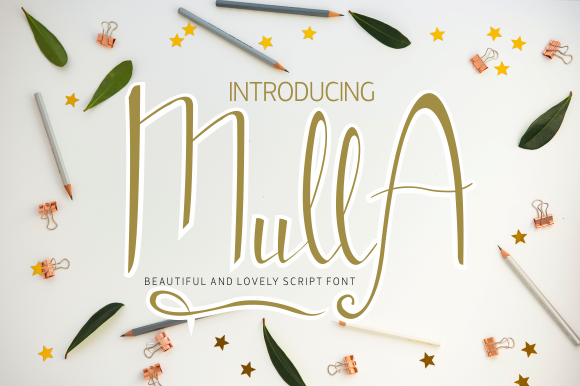
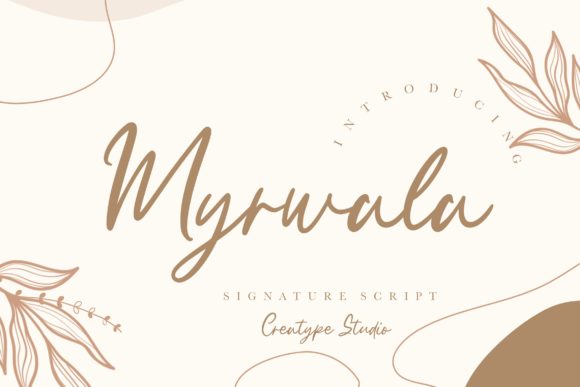
Myrwala is a handwritten font designed to mimic the natural flow of pen on paper. It features soft curves, varying stroke widths, and a casual appearance that gives it a personal and authentic feel. Unlike more structured typefaces, Myrwala brings a sense of warmth and individuality to any design it's used in. Its unique characteristics make it particularly well-suited for projects that require a handcrafted or intimate touch.
Why Someone Might Be Interested in Myrwala
Designers and creatives often seek fonts that add character and personality to their work. Myrwala appeals to those looking for a font that feels genuine and expressive. Its handwritten style can evoke emotions and create a connection with the audience, which is especially valuable in areas like wedding invitations, greeting cards, and personal branding.
Additionally, Myrwala is ideal for projects where a more traditional or artisanal look is desired. It can help differentiate a design from the more mechanical or rigid typefaces commonly used in digital media. For individuals who want to convey a sense of authenticity, Myrwala offers a compelling alternative to standard fonts.
Benefits of Using Myrwala
One of the main advantages of Myrwala is its ability to add a personal touch to designs. Whether it's a thank you card, a logo, or a quote, the font's natural appearance can make the content feel more heartfelt and sincere. This makes it a strong choice for projects that aim to connect emotionally with the audience.
Another benefit is its versatility. Myrwala works well across multiple platforms and mediums, including print and digital formats. Its readability is generally good, especially when used in moderate sizes and with appropriate spacing. This makes it suitable for both large-scale designs, such as posters, and smaller items like business cards.
Considerations and Tradeoffs
While Myrwala has many strengths, it may not be the best choice for every project. Its handwritten style can sometimes be less legible than more structured fonts, especially at smaller sizes or in dense text blocks. This means it's important to consider the context in which the font will be used and ensure that it remains readable and effective.
Additionally, because of its unique style, Myrwala may not fit well with more modern or minimalist design aesthetics. In such cases, alternatives that offer a cleaner or more geometric look might be more appropriate. Designers should also be mindful of licensing and usage rights when incorporating Myrwala into commercial projects.
Situations Where Myrwala Is a Strong Fit
Myrwala excels in situations where a personal or artistic touch is desired. For example, it is an excellent choice for wedding invitations, where the font can enhance the romantic and elegant atmosphere. It also works well for thank you cards, quotes, and greeting cards, where the handwritten feel adds a sense of sincerity and care.
In branding, Myrwala can be useful for businesses that want to communicate a more approachable or humanized image. It’s particularly effective for small businesses, independent artists, or boutique brands that aim to stand out through unique visual elements. When paired with complementary design elements, Myrwala can help create a cohesive and memorable brand identity.
Situations Where Alternatives May Be Worth Considering
For projects that require a more professional or formal tone, alternatives to Myrwala may be more suitable. Fonts with a clean, structured design often convey authority and clarity, which can be essential in corporate or academic settings. In such cases, a sans-serif or serif font might be a better fit.
Similarly, for digital interfaces or user-facing applications, legibility is crucial. If the primary goal is to ensure clear communication, a more standardized font may be preferable. Designers should also consider the target audience and whether the handwritten style aligns with their expectations and preferences.
Practical Decision-Making Insights
When deciding whether to use Myrwala, it's important to evaluate the specific needs of the project. Start by considering the message or emotion the design aims to convey. If a warm, personal, or artistic tone is desired, Myrwala is likely a good option. However, if clarity and professionalism are the top priorities, alternatives may be more appropriate.
Testing the font in different contexts is also recommended. Experimenting with different sizes, colors, and layouts can help determine how well Myrwala performs in the intended setting. Additionally, reviewing examples of how others have used the font can provide valuable insights into its effectiveness and limitations.
Finally, understanding the licensing and technical requirements of Myrwala is essential. Some fonts may have restrictions on commercial use, so it's important to verify these details before incorporating them into a project.
Conclusion
Myrwala is a versatile and expressive handwritten font that can add a unique and personal touch to a wide range of design projects. Its natural appearance and flexibility make it ideal for creative endeavors that value authenticity and warmth. However, it's important to weigh its benefits against potential limitations, such as readability and suitability for certain design styles. By carefully evaluating the needs of each project, designers can determine whether Myrwala is the right choice or if another font might be more appropriate. Ultimately, the decision should be based on how well the font aligns with the goals, audience, and overall vision of the design.