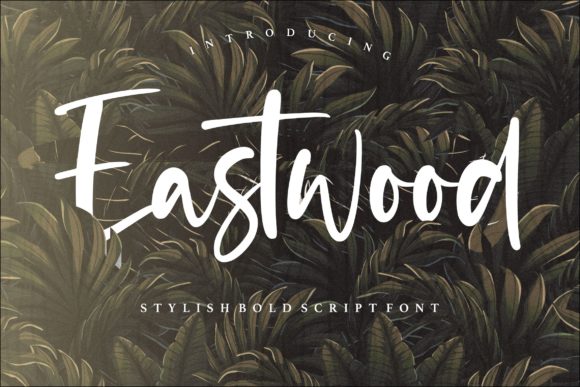
Eastwood: A Stylish Script Font for Elegant Designs
When it comes to adding a touch of sophistication and personal flair to your designs, Eastwood stands out as a versatile and elegant script font. Its flowing lines and refined aesthetics make it a popular choice for everything from wedding invitations to business cards. But while Eastwood may seem like an easy pick, there are several key considerations that can impact how well it works for your specific needs.
Understanding Eastwood's strengths and limitations can help you make informed decisions about its use. Whether you're a designer, a small business owner, or someone looking to create something unique, knowing how to approach this font effectively can save time, improve results, and enhance the overall quality of your work.
What Makes Eastwood Stand Out?
Eastwood is more than just a pretty font—it's a tool that can elevate the visual appeal of any project. Its script style mimics handwritten lettering, giving designs a personal and artistic touch. This makes it ideal for creative projects where authenticity and elegance matter, such as wedding stationery, greeting cards, and branding materials.
However, what sets Eastwood apart isn't just its appearance. It also offers a level of readability that many script fonts lack. This balance between style and legibility is one reason why designers and businesses often turn to it for both decorative and functional purposes.
Misconceptions About Using Eastwood
One common mistake is assuming that Eastwood works equally well in all contexts. While it shines in certain applications, it may not be the best choice for every design. For example, using it in large blocks of text can reduce readability, especially on digital screens or in low-resolution prints.
Another misunderstanding is thinking that Eastwood is universally compatible with all design software. Some programs may not render the font accurately, leading to unexpected results. Always test the font in your intended environment before finalizing a project.
How Mistakes Can Affect Your Work
Choosing the wrong font size or style can lead to poor visual hierarchy, making it hard for readers to focus on the most important elements. If Eastwood is too small or too ornate, it might become difficult to read, especially in formal or professional settings.
Additionally, some users overlook the importance of licensing when downloading or purchasing Eastwood. Using the font without proper permissions can result in legal issues, particularly if it's used commercially. Always check the license terms to ensure compliance.
Practical Tips for Using Eastwood Effectively
To get the most out of Eastwood, start by considering the purpose of your design. For instance, if you're creating a logo, a larger, bolder version of the font might be more appropriate. If you're designing a thank-you card, a more delicate variation could add the right amount of charm without overwhelming the message.
It's also wise to pair Eastwood with complementary fonts. Using it alongside a clean, sans-serif typeface can create contrast and improve readability. This combination helps maintain visual balance while keeping the design engaging.
Check Before You Decide
Before committing to Eastwood, take the time to review its characteristics. Test it in different sizes and styles to see how it performs in your specific context. If possible, view it in both print and digital formats to understand how it appears across platforms.
Also, consider the audience for your design. A highly stylized font may not be suitable for a corporate brochure but could be perfect for a boutique brand’s packaging. Tailoring your font choice to your target audience ensures better communication and a more polished outcome.
Realistic Examples and Better Approaches
Imagine you're designing a wedding invitation. Using Eastwood for the couple's names adds a romantic and personalized feel. However, using it for the full text might make the details harder to read. A better approach would be to use Eastwood for headings and a simpler font for the body text.
Similarly, if you're creating a business card, using Eastwood for the name and title can make it stand out, while keeping the rest of the information in a more straightforward font ensures clarity and professionalism.
Stay Informed and Experiment
Fonts like Eastwood are powerful tools, but they require thoughtful application. Don’t hesitate to experiment with different styles, sizes, and pairings to find what works best for your project. The goal is to enhance the message, not overshadow it.
By understanding the nuances of Eastwood and avoiding common pitfalls, you can make smarter design choices that align with your goals and audience needs. Whether you're a beginner or an experienced designer, taking the time to learn about your tools leads to better results and greater satisfaction in your work.