Pretty Smile: A Stylish Script Font for Elegant Design Projects
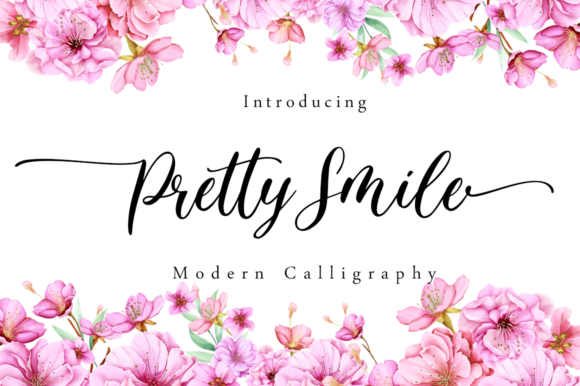
Pretty Smile is a script font that combines elegance with a personal, handwritten feel. Designed for those who want to add a touch of sophistication to their work, it stands out for its smooth lines, varied baseline, and a wide range of glyphs and swashes. This font is ideal for projects that require a refined, artistic look without sacrificing readability.
One of the key features of Pretty Smile is its PUA encoding, which allows users to access all the glyphs and swashes directly without needing special software or keyboard layouts. This makes it more accessible and user-friendly compared to some other script fonts that may require additional steps to use certain characters.
What Makes Pretty Smile Unique?
Pretty Smile distinguishes itself through its balance of style and functionality. Unlike many script fonts that can be difficult to read in large blocks of text, Pretty Smile maintains clarity while still offering an elegant appearance. Its varying baseline adds a natural, handcrafted look that mimics real handwriting, making it perfect for designs that aim to convey warmth and personality.
The font also includes a variety of alternates and swashes, giving designers flexibility to create unique compositions. These features make it suitable for a wide range of applications, from formal invitations to casual greeting cards. The presence of these elements means that users can tailor the font to fit specific design needs without having to rely on external tools or plugins.
Comparing Pretty Smile to Similar Fonts
When considering script fonts, there are several alternatives that offer similar styles, but each has its own strengths and limitations. For example, some fonts may provide more decorative elements, while others focus on simplicity and legibility. Pretty Smile sits in a middle ground, offering both aesthetic appeal and practical usability.
Fonts like Great Vibes or Playfair Display are often used for more formal or traditional designs, whereas Pretty Smile’s slightly more casual appearance makes it versatile for both professional and personal projects. It may not have the same level of ornate detailing as some other scripts, but this can be seen as a benefit for users who prefer a cleaner, more modern look.
In comparison to more heavily stylized fonts, Pretty Smile is less likely to overwhelm a design. It works well in combination with other typefaces, allowing for a balanced layout without clashing. This adaptability makes it a strong choice for designers looking for a font that can be used across multiple mediums and formats.
Best Use Cases for Pretty Smile
Pretty Smile excels in situations where a handwritten or personalized touch is desired. It is particularly popular for wedding invitations, thank you cards, and other event-related materials. Its elegant yet approachable style makes it suitable for both formal and informal occasions, depending on how it is styled and paired with other elements.
Business cards and logos can also benefit from the use of Pretty Smile. When used sparingly, it can add a distinctive flair without compromising professionalism. However, it’s important to consider the context—using it for large amounts of text or in highly competitive environments may not be the best choice.
For digital projects such as social media graphics or website headers, Pretty Smile can add visual interest and a sense of authenticity. Its smooth curves and natural flow make it visually engaging, especially when paired with minimalist backgrounds or complementary design elements.
Considerations for Choosing Pretty Smile
While Pretty Smile offers many advantages, it may not be the best option for every project. Users should consider the intended audience and the overall tone of the design. For instance, if a project requires a more modern or industrial look, a sans-serif or geometric font might be more appropriate.
Another factor to consider is the availability of the font. Since it is PUA encoded, it may not be as widely supported in some design software as standard fonts. Users should verify compatibility before committing to a project, especially if they are working with clients or collaborating with others who may not have access to the same tools.
Additionally, the font’s readability in smaller sizes is worth testing. While it performs well in larger text, it may become less legible when used in body copy or other contexts where clarity is essential. Designers should experiment with different sizes and spacing to ensure the font meets their needs.
When to Choose Another Option
There are scenarios where alternative fonts may be more suitable. For example, if a design requires a high level of ornamentation or a very specific historical style, other script fonts may offer more detailed features. In cases where maximum legibility is a priority, a simpler font might be a better choice.
Users who are looking for a completely free font may also find that Pretty Smile is not the best fit, as it may require a purchase or subscription for commercial use. It’s important to review the licensing terms before using the font in any project that involves public distribution or profit-making activities.
Ultimately, the decision to use Pretty Smile depends on the specific needs of the project and the designer’s preferences. It is a strong option for those seeking a stylish, versatile script font, but it’s always wise to explore multiple options and test them in real-world scenarios.
Conclusion: Is Pretty Smile Right for Your Project?
Pretty Smile is a well-designed script font that offers a blend of elegance, versatility, and ease of use. Its PUA encoding, smooth lines, and range of alternates make it a practical choice for a variety of design applications. Whether you’re creating wedding invitations, business cards, or digital graphics, it can add a personal and sophisticated touch to your work.
However, like any tool, it is most effective when used appropriately. Understanding its strengths and limitations can help you make an informed decision about whether it fits your needs. By considering factors such as readability, compatibility, and design context, you can determine if Pretty Smile is the right choice for your next project.