Shadella: A Timeless Handwritten Font for Elegant Design
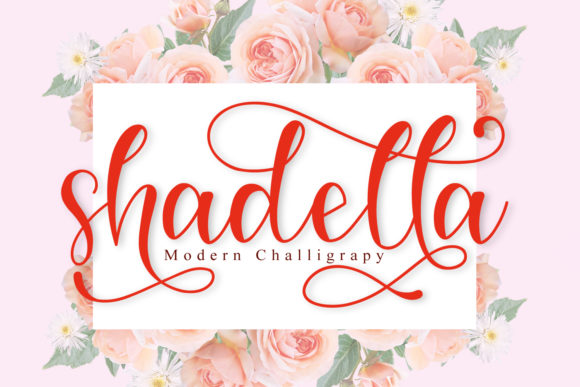
Shadella is a handwritten font that blends charm with sophistication, making it a standout choice for a variety of design projects. Its elegant script style and natural flow give it a personal, artisanal feel that can elevate any visual communication. Whether used in wedding invitations, thank you cards, or logos, Shadella offers a unique aesthetic that resonates with both creators and audiences.
Designed with versatility in mind, Shadella is ideal for those who seek a handwritten touch without the effort of actual handwriting. Its PUA encoding ensures easy access to all glyphs and swashes, allowing users to customize their designs with greater flexibility. This feature makes it particularly appealing to designers, marketers, and small business owners looking to add a refined, personalized element to their work.
Key Characteristics of Shadella
One of the most notable features of Shadella is its varying baseline, which mimics the natural inconsistencies of human handwriting. This subtle variation adds depth and authenticity to the font, making it feel more organic and less rigid than many other scripted fonts. The smooth lines and well-crafted glyphs further enhance its readability and visual appeal, ensuring that it remains legible even at smaller sizes.
Shadella also includes stunning alternates, allowing users to switch between different stylistic variations depending on the context. These alternates provide creative freedom, enabling designers to tailor the font to specific projects or brand identities. The presence of swashes—ornamental flourishes often seen in calligraphy—adds an extra layer of elegance, making Shadella suitable for formal and semi-formal applications.
Practical Applications and Use Cases
Shadella’s adaptability makes it a valuable asset across multiple industries. In the realm of wedding design, it excels as a choice for invitations, programs, and signage, offering a romantic and personal touch that complements the occasion. For businesses, it can be used in logos, business cards, and marketing materials to convey a sense of craftsmanship and attention to detail.
On a more personal level, Shadella works well for greeting cards, quotes, and social media graphics. Its handwritten appearance can make messages feel more heartfelt and genuine, which is especially important in branding and customer engagement. Additionally, its clean yet expressive style makes it suitable for editorial layouts, such as magazine spreads or blog headers, where visual interest is key.
Strengths and Usability
From a usability standpoint, Shadella is straightforward to implement and highly customizable. Its PUA encoding allows for direct access to all characters, eliminating the need for complex workarounds or additional software. This accessibility is a significant advantage for users who want to experiment with different letterforms and styles without technical barriers.
The font maintains consistency across different sizes and formats, ensuring that it performs reliably in both digital and print environments. Its reliability is further supported by its clean, well-structured design, which minimizes issues like overlapping characters or inconsistent spacing. This consistency is crucial for professional use, where precision and clarity are essential.
Who Benefits Most from Shadella?
Shadella is particularly beneficial for professionals in the creative and design industries, including graphic designers, illustrators, and typographers. It also appeals to entrepreneurs and small business owners who want to create a distinctive brand identity. Educators and content creators may find it useful for presentations, worksheets, or visual storytelling, where a personal touch enhances engagement.
For hobbyists and independent artists, Shadella offers a way to incorporate handwritten elements into their work without requiring advanced calligraphy skills. Its ease of use and aesthetic appeal make it a practical tool for anyone looking to add a touch of elegance to their projects.
Considerations and Limitations
While Shadella is highly versatile, it may not be the best choice for all design scenarios. Its handwritten style, while charming, may not align with more modern or minimalist aesthetics. In such cases, a sans-serif or geometric font might be more appropriate. Additionally, the font’s complexity could lead to slower rendering times in some design software, though this is generally a minor concern.
Users should also consider the context in which they plan to use Shadella. While it works well for decorative or artistic purposes, it may not be ideal for large blocks of text due to its intricate details. However, when used strategically, it can serve as a powerful visual element that draws attention and conveys a specific tone or mood.
Final Thoughts
Shadella is a compelling choice for those seeking a handwritten font that balances elegance with practicality. Its unique characteristics, combined with its ease of use, make it a valuable addition to any designer’s toolkit. Whether used for personal projects or professional work, Shadella has the potential to enhance visual communication and add a touch of sophistication to any design.
For individuals and businesses looking to stand out in a competitive market, Shadella offers a fresh and stylish alternative to standard typefaces. By understanding its strengths and limitations, users can make informed decisions about how best to incorporate it into their creative workflows. Ultimately, Shadella is more than just a font—it’s a tool that empowers designers to express themselves with authenticity and flair.