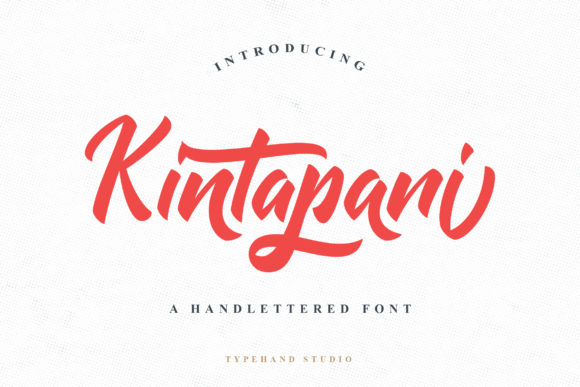
Kintapani: A Strategic Choice for Elegant Design
In the world of typography, few fonts offer the blend of charm and elegance that Kintapani delivers. Designed with a handwritten touch, this font is ideal for projects where personalization and sophistication matter. Whether you're creating wedding invitations, thank you cards, or business logos, Kintapani provides a unique visual identity that stands out without being overwhelming.
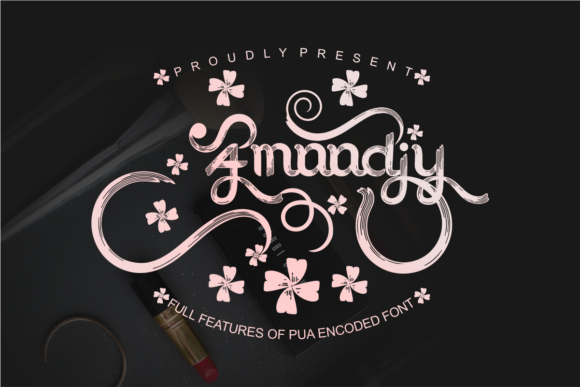
One of the key advantages of Kintapani is its PUA encoding, which allows users to access all glyphs and swashes effortlessly. This feature makes it particularly useful for designers who want to add subtle flourishes and variations to their work. The font's varying baseline and smooth lines contribute to a natural, organic feel that enhances readability while maintaining aesthetic appeal.
Strategic Use of Kintapani in Design Projects
Kintapani is more than just a pretty font—it's a tool that can support your design goals when used thoughtfully. For entrepreneurs and small business owners, incorporating Kintapani into branding materials can help create a memorable and cohesive look. When designing logos, for example, the font’s elegant strokes can convey professionalism and creativity simultaneously.
Marketers and content creators often rely on visually appealing elements to engage their audience. Kintapani can be a valuable asset in this context, especially when used in social media graphics, email newsletters, or promotional materials. Its handwritten style adds a personal touch that can make messages feel more authentic and relatable.
When to Use Kintapani: Practical Scenarios
Understanding when to use Kintapani is crucial for maximizing its impact. It works best in situations where a soft, personal, or artistic tone is desired. Wedding invitations, for instance, benefit from Kintapani’s graceful curves and fluid lines, which evoke a sense of warmth and tradition. Similarly, thank you cards and greeting cards can feel more heartfelt when written in this font.
For professionals in creative fields, Kintapani can be a go-to choice for project titles, headings, or captions. Its versatility allows it to fit into both modern and classic design schemes. However, it’s important to consider the context—using Kintapani in a corporate setting might not always be appropriate unless the brand’s identity aligns with its aesthetic.
Planning Your Use of Kintapani
Before integrating Kintapani into your design workflow, take time to plan how it will serve your goals. Start by identifying the purpose of the project and the message you want to convey. If the goal is to communicate a sense of elegance and refinement, Kintapani can be an excellent fit. But if clarity and neutrality are more important, a sans-serif or serif font might be more suitable.
Consider the audience as well. For a younger, more casual demographic, Kintapani could feel too formal or outdated. In contrast, for a target market that values craftsmanship and individuality, the font can resonate strongly. Always test the font in different sizes and formats to ensure it remains legible and effective across various platforms.
Long-Term Value of Kintapani in Branding
Branding is about consistency and recognition, and Kintapani can play a role in building a strong visual identity. When used consistently across marketing materials, packaging, and digital assets, the font can reinforce a brand’s personality and values. This consistency helps customers associate the font with the brand, making it a powerful tool for long-term recognition.
However, it’s important to balance Kintapani with other typefaces to avoid overuse. Relying solely on one font can limit the versatility of your design system. Instead, use Kintapani as a highlight or accent, pairing it with more neutral fonts for body text or secondary elements.
Common Pitfalls and How to Avoid Them
While Kintapani offers many benefits, it’s not a one-size-fits-all solution. One common mistake is using it in large blocks of text, where its ornate details can reduce readability. For longer paragraphs, it’s better to choose a more structured font that maintains clarity without sacrificing style.
Another risk is overloading designs with too many swashes and alternates. While these features add character, they can also clutter the layout and distract from the main message. Use them selectively to enhance the visual appeal without compromising functionality.
Intentional Use of Kintapani: Tips for Success
To use Kintapani intentionally, start by defining your design objectives. Ask yourself: What emotions do I want to evoke? What message should the design communicate? Answering these questions can guide your decision-making and ensure that the font serves a clear purpose.
Experiment with different combinations and layouts before finalizing your design. Test Kintapani in various contexts, such as print versus digital, to see how it performs in each medium. This approach allows you to make informed choices that align with your overall strategy.
Conclusion: Kintapani as a Thoughtful Design Choice
Kintapani is more than just a font—it’s a strategic element that can elevate your design work when used with intention. Its elegance, versatility, and ease of use make it a valuable addition to any designer’s toolkit. By understanding its strengths and limitations, you can harness its potential to create meaningful and impactful visual experiences.
Whether you're working on a personal project or a professional campaign, Kintapani offers a way to express creativity while maintaining a polished and refined appearance. With careful planning and thoughtful application, this font can become a key component of your design strategy, helping you achieve better results and stronger connections with your audience.