Qubely: A Versatile Handwritten Font for Elegant Design
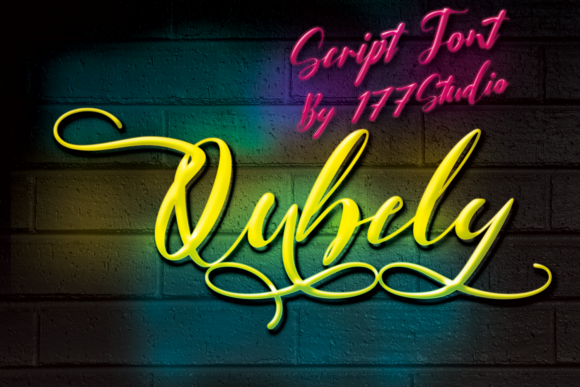
Qubely is a handwritten font that brings a personal and artistic touch to a wide range of design projects. Its elegant style and smooth lines make it a popular choice for those seeking a natural, organic feel in their typography. Whether used in wedding invitations, greeting cards, or logos, Qubely adds a unique charm that stands out from more rigid typefaces.
What sets Qubely apart is its PUA encoding, which allows users to access all the glyphs and swashes without limitations. This feature makes it especially useful for designers who want to customize their work with intricate details. The font also includes varying baseline options, ensuring flexibility in how it can be used across different layouts and formats.
For those looking to add a handwritten element to their designs, Qubely offers a seamless blend of beauty and functionality. Its versatility means it can be applied to both digital and print media, making it a valuable asset in various creative fields.
Understanding What Makes Qubely Unique
Handwritten fonts often bring a sense of warmth and individuality to design, and Qubely is no exception. Unlike many other fonts that follow strict structural rules, Qubely mimics the natural flow of handwriting, giving each character a distinct personality. This characteristic makes it ideal for projects where a personal touch is essential.
The font’s design includes a variety of alternates and swashes, allowing for customization that enhances visual appeal. These features are particularly useful when creating unique branding elements, such as logos or business cards, where differentiation is key. By using Qubely, designers can achieve a look that feels authentic and expressive.
Another notable aspect of Qubely is its adaptability. It works well in both formal and casual settings, depending on how it is styled. For example, it can be used in elegant wedding invitations to convey sophistication, or in casual thank you cards to add a friendly tone. This flexibility makes it a go-to option for a wide range of design needs.
How Qubely Compares to Similar Fonts
When evaluating handwritten fonts, it’s important to consider how they compare in terms of style, usability, and versatility. Qubely falls into a category of fonts that prioritize a natural, organic appearance, similar to other popular options like Brush Script or Lobster. However, what distinguishes Qubely is its PUA encoding and the ease with which users can access its full range of characters.
Some alternatives may offer a similar aesthetic but lack the same level of customization. For instance, certain fonts may have limited glyph sets or require additional tools to access special characters. Qubely simplifies this process, making it more accessible for users who want to experiment with different styles without technical barriers.
Additionally, Qubely’s varying baseline feature provides an advantage over other fonts that maintain a uniform baseline. This allows for more dynamic layouts, where text can appear more natural and less rigid. This trait is particularly beneficial in creative projects where visual interest is a priority.
Strengths and Tradeoffs of Using Qubely
One of the main strengths of Qubely is its ability to add a human-like quality to text. This is especially valuable in marketing materials, where a personal connection can enhance engagement. Its elegant strokes and flowing lines make it suitable for high-end design applications, such as luxury brand identities or premium product packaging.
However, there are some tradeoffs to consider. While Qubely is highly versatile, it may not be the best choice for large blocks of text due to its decorative nature. In such cases, readability could be compromised, especially in smaller sizes or when used in dense layouts. Designers should be mindful of this limitation when planning their use of the font.
Another consideration is the file size and compatibility. Since PUA-encoded fonts can sometimes be larger in size, users should ensure their systems can handle the file without performance issues. Additionally, while most modern design software supports PUA encoding, some older programs may not fully recognize all the glyphs, requiring further checks before finalizing a project.
Best Fit Situations for Qubely
Qubely excels in situations where a personal and artistic touch is needed. For example, in wedding invitations, it can convey a sense of intimacy and elegance that traditional fonts might not achieve. Similarly, in thank you cards or quotes, its soft curves and fluid lines create a warm and inviting appearance.
Business cards and logos also benefit from Qubely’s unique style. It can help a brand stand out by offering a distinctive visual identity that feels more approachable and human. This is especially useful for small businesses or creative professionals looking to build a memorable image.
Moreover, Qubely is well-suited for social media graphics, blog headers, and other digital content where a stylized look is desired. Its adaptability ensures that it can be used effectively across multiple platforms without losing its character.
When to Consider Alternatives to Qubely
While Qubely is a strong option for many design projects, there are scenarios where alternative fonts may be more appropriate. For instance, if the primary goal is legibility, a sans-serif or serif font might be a better choice. These types of fonts are typically easier to read in long paragraphs and can provide a cleaner, more professional appearance.
Designers working on corporate or formal projects may also find that Qubely’s decorative nature is too bold for their needs. In such cases, a more restrained font with a subtle handcrafted feel could offer a balance between elegance and professionalism.
Additionally, if a project requires a specific cultural or historical style, there may be other fonts that align more closely with that aesthetic. For example, a vintage-themed design might benefit from a font that evokes a specific era, rather than a modern handwritten style like Qubely.
Practical Examples of Qubely in Use
Consider a scenario where a designer is creating a set of greeting cards for a boutique shop. Using Qubely, they can craft messages that feel more personal and heartfelt, enhancing the overall customer experience. The font’s swashes and alternates allow for creative variations, making each card feel unique.
In another example, a wedding planner might choose Qubely for invitation designs to reflect the couple’s personalities. The font’s elegance and variability enable the planner to tailor the look to match the couple’s vision, whether it’s romantic, minimalist, or whimsical.
For a logo design, Qubely can provide a fresh and distinctive identity that sets a brand apart. Its flowing lines and natural feel make it ideal for businesses in the arts, hospitality, or lifestyle sectors, where a human touch is valued.
Conclusion: Choosing the Right Font for Your Needs
Qubely offers a compelling combination of style, flexibility, and ease of use, making it a valuable tool for designers seeking a handwritten aesthetic. Its PUA encoding and varied baseline provide practical benefits that enhance its usability across different projects.
However, the decision to use Qubely should depend on the specific needs of the design. While it shines in applications that require a personal and artistic touch, it may not be the best fit for every situation. By understanding its strengths and limitations, designers can make informed choices that align with their goals and creative vision.