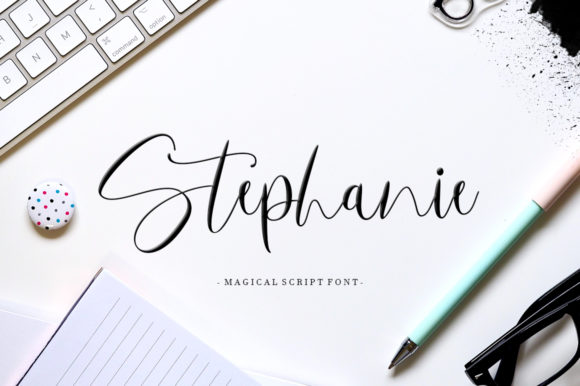
Stephanie: A Timeless Handwritten Font
Stephanie is more than just a font—it's a statement. With its soft curves, elegant strokes, and natural flow, this handwritten typeface brings a touch of warmth and personality to any design. Whether you're creating a wedding invitation or designing a logo, Stephanie adds a refined, personal feel that stands out in a world of rigid digital typography.
As a script font, Stephanie captures the essence of handwriting without sacrificing clarity. Its gentle variations in line weight and spacing give it a handcrafted look, making it ideal for projects that require a human touch. The font’s balance between formality and approachability makes it a versatile choice for both professional and personal use.
For designers, Stephanie offers a unique opportunity to add authenticity to their work. It’s not just about aesthetics; it’s about creating a connection with the audience. When used thoughtfully, this premium font can elevate the emotional impact of your designs, whether they’re for print, digital, or mixed media.
Where Stephanie Shines
Stephanie excels in a wide range of applications, from wedding invitations to business cards. Its handwritten style gives it an intimate, personalized feel that’s perfect for events, greetings, and messages that need a heartfelt tone. In editorial design, it can be used for headings, quotes, or captions to add visual interest and a sense of elegance.
In branding, Stephanie can serve as a key element of your identity. It works well as a logo font, especially for businesses that want to convey creativity, warmth, or craftsmanship. When paired with a clean sans serif, it creates a balanced contrast that enhances readability while maintaining a cohesive look.
For web design and social media graphics, Stephanie can be used sparingly to add a decorative touch. However, it’s important to consider legibility when using it on screens. Limiting its use to headlines, callouts, or decorative elements ensures that your message remains clear and accessible.
How Stephanie Influences Design
Readability is a crucial factor when choosing a font like Stephanie. While it’s visually appealing, it’s not always the best choice for long blocks of text. Instead, use it for short phrases, titles, or accents where its character can shine without overwhelming the reader.
Visual hierarchy is another area where Stephanie can make a difference. By using it for key elements such as headlines or subheadings, you can guide the viewer’s eye through your design. This helps create a structured layout that’s both aesthetically pleasing and easy to navigate.
Brand perception is also influenced by the fonts you choose. Stephanie can help position your brand as creative, authentic, and approachable. It’s particularly effective for industries like fashion, lifestyle, or artisanal products, where a personal touch is valued.
Consistency is key in any design project. Using Stephanie across different materials—such as packaging, stationery, or digital assets—helps reinforce your brand’s identity. However, ensure that it complements other design elements rather than competing with them.
Choosing the Right Font for Your Project
When considering Stephanie for your next project, start by evaluating your goals. What message do you want to convey? What emotions should your design evoke? These questions will help determine if Stephanie aligns with your vision.
Testing font pairings is essential for achieving a harmonious look. Pairing Stephanie with a modern sans serif or a classic serif can create a dynamic contrast that enhances your overall design. Experiment with different combinations to find what works best for your specific needs.
Review the included styles of Stephanie to understand its full potential. Some versions may include ligatures, alternate characters, or stylistic sets that can add depth and variation to your work. Familiarizing yourself with these features can help you make the most of the font’s capabilities.
Readability should never be overlooked. Even the most beautiful font can fail if it’s difficult to read. Always test Stephanie at different sizes and on various backgrounds to ensure it maintains clarity and legibility.
Practical Tips for Using Stephanie
If you’re looking to incorporate Stephanie into your design workflow, start by selecting a high-quality version of the font. Ensure that it includes all necessary weights and styles, especially if you plan to use it in multiple formats.
For commercial projects, check the licensing terms to make sure you have the right to use Stephanie in your work. Some fonts may require additional licenses for extended use or redistribution, so it’s important to review the details carefully.
Consider the context in which you’ll use Stephanie. For example, if you’re designing a logo, you may want to simplify the font slightly to make it more scalable and recognizable. In contrast, for a greeting card, you can let the font’s natural flow take center stage.
Finally, don’t be afraid to experiment. Typography is a powerful tool, and Stephanie offers endless possibilities for creative expression. Whether you’re working on a personal project or a client’s brand, this font can help you achieve a unique and memorable design.