Amanda: The Handwritten Font That Adds Personality to Your Designs
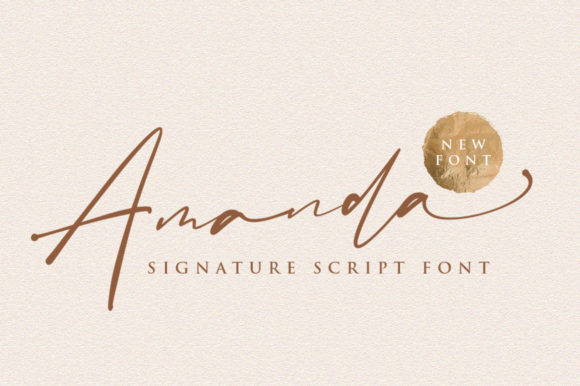
When it comes to adding a personal touch to your designs, few fonts can match the charm of Amanda. This unique and incredibly relaxed handwritten font is perfect for a wide range of projects, from wedding invitations to business cards. Its natural, flowing style gives any design a warm and inviting feel that stands out from more rigid typefaces.
Why Amanda Is a Popular Choice
Amanda is ideal for anyone looking to infuse their work with a sense of authenticity and creativity. Whether you're designing a greeting card, a logo, or a quote, this font offers a casual yet elegant look that feels handcrafted. It's especially popular among designers, small business owners, and creatives who want to add a human element to their visual content.
The font’s soft curves and uneven baseline mimic real handwriting, making it perfect for projects that require a personal or sentimental tone. Unlike more structured fonts, Amanda doesn’t feel stiff or artificial, which makes it a go-to choice for those who want to avoid a generic appearance.
Mistakes to Avoid When Using Amanda
While Amanda is versatile, using it incorrectly can lead to poor results. One common mistake is overusing the font in large blocks of text. Because it’s a handwritten style, it may not be the best choice for long paragraphs. Instead, use it for headings, titles, or short phrases where its personality can shine without becoming hard to read.
Another mistake is not considering the context. For example, using Amanda on a professional business card might come across as unprofessional if the rest of the design isn’t cohesive. It’s important to balance the font’s casual nature with the overall tone of your project.
How to Choose the Right Version of Amanda
Amanda is available in different styles and weights, so it's essential to choose the right one for your needs. Some versions may have more variation in letter shapes, while others are more consistent. Before downloading or purchasing, check the font’s preview to see how it looks in different sizes and formats.
Also, make sure the font is licensed properly. Using an unlicensed version can lead to legal issues, especially if you're using it for commercial purposes. Always verify the terms of use and ensure that the font is suitable for your intended application.
Common Misconceptions About Amanda
Some people assume that because Amanda is a handwritten font, it’s always easy to read. However, this isn’t always the case. If the font is too stylized or the letters are too similar, it can become difficult to decipher, especially at smaller sizes. Always test the font in the context of your design to ensure readability.
Another misconception is that Amanda is only for creative or artistic projects. While it excels in those areas, it can also be used effectively in more traditional designs when used sparingly. The key is to maintain a balance between style and functionality.
Practical Tips for Using Amanda Effectively
To get the most out of Amanda, start by using it in small doses. For example, apply it to a headline or a signature rather than an entire document. This allows the font to stand out without overwhelming the viewer.
Pairing Amanda with a more neutral typeface can also help create a balanced design. For instance, using a sans-serif font for body text while reserving Amanda for headings can provide contrast and improve legibility.
Real-World Examples of Successful Amanda Use
Many businesses and designers have successfully incorporated Amanda into their work. A wedding planner might use it for invitation titles, giving the design a personal and elegant feel. A blogger could use it for a featured quote on a website, adding a touch of warmth and approachability.
For a logo, Amanda can convey a sense of creativity and individuality. However, it's important to ensure that the font is scalable and clear at different sizes. A poorly chosen version of Amanda might look great on a large banner but become illegible on a small business card.
What to Check Before Using Amanda
Before finalizing your design, review the following:
- Readability: Ensure the font is legible at the intended size and in the context of your design.
- Licensing: Confirm that you have the proper rights to use the font for your specific purpose.
- Consistency: Check that the font matches the tone and style of your overall project.
- Compatibility: Make sure the font works well with other elements in your design, such as colors and layouts.
Final Thoughts on Choosing and Using Amanda
Amanda is a powerful tool for adding a handwritten touch to your designs, but it requires thoughtful application. By avoiding common mistakes and understanding its strengths and limitations, you can use it effectively in a variety of contexts. Whether you're a beginner or an experienced designer, taking the time to evaluate how Amanda fits into your project can make a big difference in the final result.
Ultimately, the goal is to enhance your design without compromising clarity or professionalism. With the right approach, Amanda can be a valuable asset that adds character and personality to your work.