Corellina: A Timeless Script Font for Elegant Design
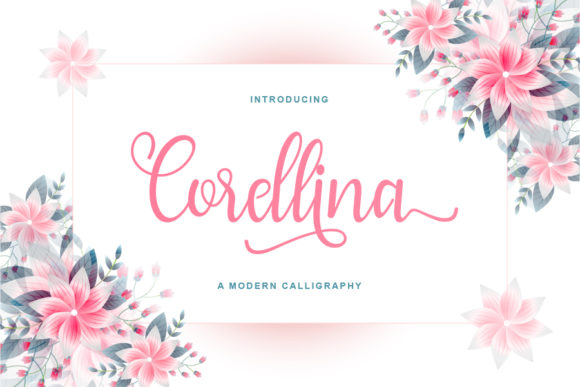
Corellina is a script font that captures the essence of handwritten elegance with its flowing lines and refined structure. Designed for those who appreciate the beauty of personal touch in typography, Corellina offers a unique blend of sophistication and versatility. Its distinct characteristics make it a popular choice for a wide range of design projects, from wedding invitations to business cards and beyond.
The font’s varying baseline adds a natural, organic feel, mimicking the subtle irregularities of real handwriting. This feature, combined with smooth lines and well-crafted glyphs, ensures that Corellina maintains a professional appearance while still feeling approachable and personal. The font also includes stunning alternates, allowing designers to create visually interesting compositions without repeating the same shapes.
What Makes Corellina Stand Out?
Corellina distinguishes itself through its balance of formality and fluidity. Unlike some script fonts that may lean too heavily into either cursive or calligraphy styles, Corellina strikes a middle ground, making it adaptable across various design contexts. Its glyphs are carefully designed to maintain legibility at different sizes, ensuring that it remains effective for both large headlines and smaller body text.
One of Corellina’s most appealing features is its ability to convey a sense of warmth and authenticity. In an era where digital communication often feels impersonal, using a font like Corellina can add a human element to any design. This quality makes it particularly suitable for projects that aim to evoke emotion, such as thank you cards, quotes, or personalized greeting cards.
Comparing Corellina with Similar Fonts
When evaluating script fonts, designers often consider options like Lora, Great Vibes, or Cinzel Decorative. While these fonts each have their own strengths, Corellina offers a more balanced approach that bridges the gap between traditional calligraphy and modern typography. For example, Lora provides a clean, elegant look but lacks the fluidity of Corellina’s flowing strokes. Great Vibes, on the other hand, has a more ornate style that may not be as versatile for everyday use.
Compared to more decorative options, Corellina is less likely to overwhelm a design. It works well in both minimalist and elaborate layouts, offering flexibility that many other script fonts do not. This adaptability makes it a practical choice for designers who want a single font that can serve multiple purposes without requiring frequent changes.
Best Use Cases for Corellina
Corellina excels in situations where a handwritten aesthetic is desired but clarity and professionalism are still important. Wedding invitations, for instance, often benefit from a font that feels personal yet polished. Corellina’s elegant flow and varying baseline help create a sense of refinement without sacrificing readability.
Business cards and logos are another area where Corellina shines. Its smooth lines and refined structure can give a brand a sophisticated edge, especially for industries that value creativity and artistry. When used in logos, Corellina can add a touch of uniqueness that sets a brand apart from competitors.
For quotes and greeting cards, Corellina provides a warm, inviting tone that enhances the message being conveyed. Its alternates allow for variation in design, preventing repetition and keeping the visual appeal fresh. This makes it ideal for projects that require a consistent yet dynamic look.
When Corellina May Not Be the Best Choice
While Corellina is highly versatile, there are scenarios where it may not be the optimal choice. For example, in designs that require a strong, bold statement, a more geometric or sans-serif font might be more effective. Corellina’s flowing nature can sometimes appear too delicate for high-impact applications such as signage or large-scale advertising.
Additionally, when working with complex layouts that include multiple fonts, Corellina may need careful pairing to ensure harmony. Its intricate details can clash with overly busy or contrasting typefaces, so designers should consider how it interacts with other elements in the composition.
Corellina vs. Other Handwritten Styles
Handwritten-style fonts come in many forms, ranging from casual cursive to more stylized calligraphy. Corellina falls into the category of “elegant script,” which differs from casual or informal options like Brush Script or Pacifico. While these fonts may be more playful or expressive, they often lack the refinement and consistency that Corellina offers.
On the other end of the spectrum, some serif fonts provide a similar level of elegance but without the handwritten feel. Fonts like Playfair Display or Georgia are excellent choices for formal documents, but they do not carry the same personal touch that Corellina brings to a design. The decision between these options often comes down to the intended message and the overall tone of the project.
Designing with Corellina: Tips and Considerations
When incorporating Corellina into a design, it’s important to consider spacing and hierarchy. Because of its flowing nature, the font may require adjustments in letter spacing to prevent overcrowding, especially in longer text blocks. Designers should also pay attention to contrast, ensuring that the font stands out against the background without appearing too dominant.
Testing Corellina in different sizes and formats is essential to determine its effectiveness. What works well for a headline may not translate as smoothly to a caption or body text. Experimenting with weights and alternates can also help achieve a more dynamic and engaging layout.
Conclusion: Is Corellina Right for Your Project?
Corellina is an excellent choice for designers seeking a font that balances elegance with practicality. Its flowing lines, varied baseline, and refined glyphs make it suitable for a wide range of applications, from weddings to logos. However, its suitability depends on the specific needs of the project and the overall design vision.
For those looking to add a personal, handwritten touch without compromising on professionalism, Corellina offers a compelling option. For more aggressive or minimalistic designs, alternative fonts may be more appropriate. Ultimately, the best approach is to explore different typefaces and evaluate how they align with the goals of the project. By doing so, designers can make informed decisions that enhance both the aesthetics and functionality of their work.