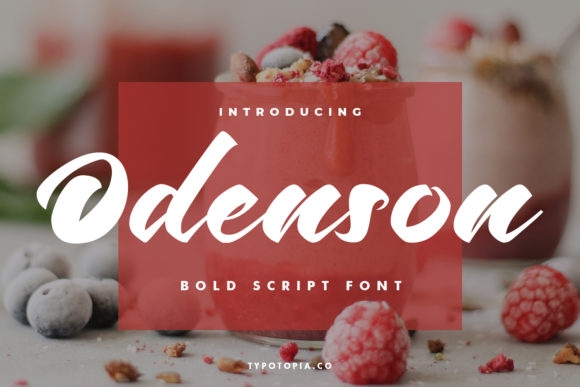
Odenson: A Timeless Font for Elegant Design Workflows
Odenson is a beautifully crafted font that combines charm with elegance, making it an ideal choice for a wide range of design projects. Its handwritten style adds a personal touch that can elevate the visual appeal of any document or graphic. Whether you're working on wedding invitations, thank you cards, quotes, greeting cards, logos, or business cards, Odenson offers a versatile and sophisticated solution.
This font fits naturally into various workflows, from initial planning to final execution. Its adaptability makes it suitable for both professional and personal use, allowing designers and creators to maintain a consistent aesthetic across different mediums. Understanding how to integrate Odenson into your process can enhance efficiency and ensure high-quality results.
Understanding Odenson in the Design Process
Before diving into specific applications, it's important to understand what sets Odenson apart. Unlike many digital fonts, Odenson mimics the look of hand-drawn lettering, giving designs a more organic feel. This characteristic makes it particularly useful in projects where a personal or artisanal touch is desired.
When considering Odenson for a project, start by identifying the purpose and audience. For instance, if you're designing a wedding invitation, the font should reflect the tone of the event—elegant, romantic, and timeless. Odenson's soft curves and flowing lines make it well-suited for such occasions, adding a sense of warmth and authenticity.
During the planning phase, consider how Odenson will interact with other design elements. It pairs well with modern sans-serif fonts for contrast or with other script fonts for a cohesive look. Experimenting with different combinations can help you find the perfect balance between readability and visual interest.
Integrating Odenson into Your Workflow
Odenson can be used at various stages of a design project. Before starting, research how similar fonts have been applied in comparable contexts. This can provide insights into best practices and potential pitfalls. For example, if you're creating a logo, studying how other brands use handwritten fonts can help you avoid common mistakes and achieve a polished result.
During the execution phase, focus on consistency. Ensure that Odenson is used uniformly across all design elements to maintain a professional appearance. This includes matching font sizes, spacing, and alignment with other text elements. Consistency not only enhances visual appeal but also reinforces brand identity.
After completing a project, review how Odenson performed in the context of the overall design. Did it contribute to the intended message? Was it readable and aesthetically pleasing? These reflections can inform future decisions and help refine your approach when using the font again.
Practical Use Cases for Odenson
One of the most common applications for Odenson is in wedding and event design. Its elegant style complements the formal yet personal nature of these occasions. When creating invitations, consider pairing Odenson with a clean, modern font for headings or titles. This contrast can draw attention to key information while maintaining a cohesive look.
For thank you cards and greeting cards, Odenson adds a heartfelt touch that can make a lasting impression. The font's natural flow gives the impression of a handwritten note, which is especially valuable in personal or professional communications. When designing these items, pay attention to spacing and line height to ensure legibility without sacrificing style.
In branding and logo design, Odenson can serve as a focal point or a supporting element. If used as the primary font, it should be paired with simpler typefaces to prevent visual clutter. For logos, consider how Odenson will appear in different sizes and formats, such as print versus digital media. Testing the font in various scenarios can help identify any issues before finalizing the design.
Compatibility and Usability Considerations
When integrating Odenson into your workflow, consider its compatibility with different software and platforms. Most design tools, including Adobe Creative Suite and Canva, support custom fonts, making it easy to incorporate Odenson into your projects. However, always verify that the font is properly licensed for commercial use if applicable.
Usability is another important factor. While Odenson is visually appealing, it may not be the best choice for large blocks of text due to its cursive style. In such cases, consider using it for headings, titles, or short phrases rather than body copy. This approach ensures that the font remains effective without compromising readability.
Organization and efficiency are key to maximizing the benefits of Odenson. Maintain a library of fonts you frequently use, and categorize them based on their intended applications. This can save time during the design process and reduce the likelihood of choosing an inappropriate font for a given task.
Long-Term Use and Quality Control
For long-term use, regularly assess how Odenson performs in your projects. Over time, trends and preferences may shift, so staying informed about design developments can help you make informed decisions. For example, if a new font becomes popular for a specific use case, evaluate whether it offers any advantages over Odenson.
Quality control is essential when using Odenson in professional settings. Always proofread designs to ensure that the font is used correctly and consistently. Check for typos, spacing issues, and alignment problems that could affect the overall appearance. These small details can significantly impact the perceived quality of your work.
Finally, consider how Odenson aligns with your broader design philosophy. Does it support your creative goals and values? If so, continue to use it in ways that reinforce your brand and message. If not, explore alternative fonts that better fit your needs.