Karmala: A Versatile Font for Elegant Design Workflows
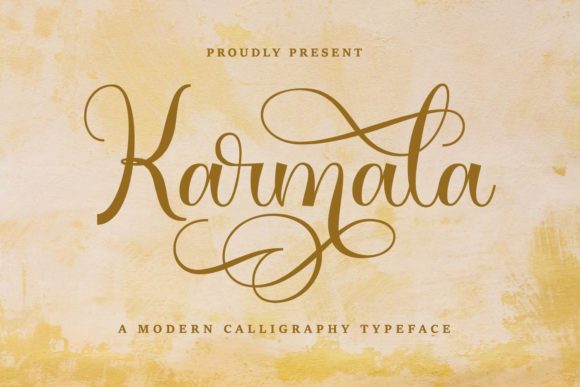
Karmala is a beautifully crafted font that combines charm with elegance, making it an ideal choice for a wide range of design projects. Whether you're working on wedding invitations, thank you cards, quotes, greeting cards, logos, or business cards, Karmala adds a handwritten touch that elevates the overall aesthetic. Its PUA encoding ensures easy access to all glyphs and swashes, allowing designers to fully utilize its unique features without technical barriers.
Designed with a varying baseline, smooth lines, and gorgeous glyphs, Karmala offers a natural and organic feel that stands out in both digital and print formats. The font’s stunning alternates provide flexibility, enabling users to create visually engaging content that feels personal and authentic. This makes Karmala particularly valuable in workflows where a human touch is essential.
Understanding Karmala in the Broader Design Process
In the context of a broader design process, Karmala serves as a tool that enhances visual storytelling and emotional connection. It fits naturally into stages such as concept development, branding, and final execution. For instance, when designing a wedding invitation, Karmala can be used to add a personalized flair that reflects the couple’s style and preferences. Similarly, in creating a logo, Karmala can help convey a sense of warmth and creativity that aligns with a brand’s identity.
Karmala is also useful during the planning phase of a project. When developing a marketing campaign, for example, using Karmala in mockups or initial drafts can help visualize how the final product will look and feel. This early integration allows for better decision-making and ensures that the font choice aligns with the overall design direction.
Integrating Karmala into Different Workflows
Karmala can be integrated into various workflows depending on the user’s needs and goals. For professionals such as marketers, educators, or small business owners, Karmala offers a way to add a personal touch to communication materials. In a marketing workflow, for instance, Karmala can be used in social media posts, email newsletters, or promotional flyers to create a more approachable and memorable brand presence.
For creators and freelancers, Karmala can be part of the creative process from start to finish. During the ideation stage, it can inspire a more expressive design approach. In the execution phase, it can be used to finalize designs that require a handwritten element. Additionally, in post-production tasks like proofreading or quality control, Karmala’s readability and consistency ensure that the final output meets high standards.
Practical Implementation Tips for Karmala
To make the most of Karmala, consider the following practical tips:
- Use it strategically: Apply Karmala to elements that benefit from a handwritten feel, such as headings, captions, or decorative text. Avoid overusing it in large blocks of body text, as this may affect readability.
- Pair it with complementary fonts: Combine Karmala with sans-serif or serif fonts to create contrast and balance. This helps maintain visual hierarchy while preserving the font’s unique character.
- Test it across platforms: Ensure that Karmala displays correctly on different devices and software. This is especially important for cross-platform projects or when sharing files with others.
- Explore alternate glyphs: Take advantage of Karmala’s alternates to vary the look of your designs. This can prevent repetition and add visual interest to your work.
Compatibility and Usability Considerations
When incorporating Karmala into a workflow, compatibility and usability are key factors to consider. Since Karmala is PUA encoded, it is generally compatible with most design software, including Adobe Creative Suite, Canva, and other vector-based tools. However, it’s always a good idea to verify that the software you’re using supports PUA encoding to avoid any potential issues.
Usability is another important aspect. Karmala’s smooth lines and varying baseline make it easy to read, even at smaller sizes. This makes it suitable for use in a variety of contexts, from small business cards to larger signage. Additionally, its versatility allows it to adapt to different design styles, whether modern, traditional, or eclectic.
Long-Term Use and Consistency
For long-term use, maintaining consistency is crucial. When using Karmala in a brand or project that spans multiple assets, ensure that the font is applied uniformly across all materials. This helps reinforce brand recognition and creates a cohesive visual identity.
Consistency also applies to file management. Organize Karmala-related files in a clear and accessible manner, especially if you’re working on multiple projects simultaneously. This reduces the risk of errors and streamlines the design process.
Enhancing Workflow Efficiency with Karmala
Karmala can significantly enhance workflow efficiency by reducing the need for additional design elements. Its ability to mimic handwriting means that users can achieve a personalized look without the time and effort required for manual writing. This is particularly beneficial for busy professionals who need to produce high-quality designs quickly.
Moreover, Karmala’s ease of use makes it accessible to both experienced designers and beginners. Its intuitive glyph selection and swash options allow users to experiment with different styles, leading to more creative and diverse outcomes. This flexibility can save time during the design process and reduce the need for revisions.
Real-World Applications of Karmala
Karmala’s applications extend beyond traditional design projects. For example, in educational settings, it can be used to create visually appealing worksheets, lesson plans, or classroom decorations that engage students. In the publishing industry, Karmala can add a personal touch to book covers, chapter headings, or editorial layouts.
For entrepreneurs, Karmala can be a valuable asset in building a strong brand identity. Whether used in social media graphics, packaging, or advertising, it helps convey a sense of authenticity and creativity. This can differentiate a business from competitors and resonate more deeply with target audiences.
Final Thoughts on Karmala
Karmala is more than just a font—it’s a tool that enhances the design process by adding a human element to digital and printed materials. Its versatility, ease of use, and aesthetic appeal make it a valuable addition to any designer’s toolkit. By integrating Karmala into your workflow, you can elevate the quality of your work and create designs that feel more personal and meaningful.
Whether you’re working on a wedding project, a marketing campaign, or a personal creative endeavor, Karmala offers a seamless way to incorporate a handwritten touch. With careful planning and thoughtful implementation, it can become an essential part of your design process, helping you achieve professional and impactful results.